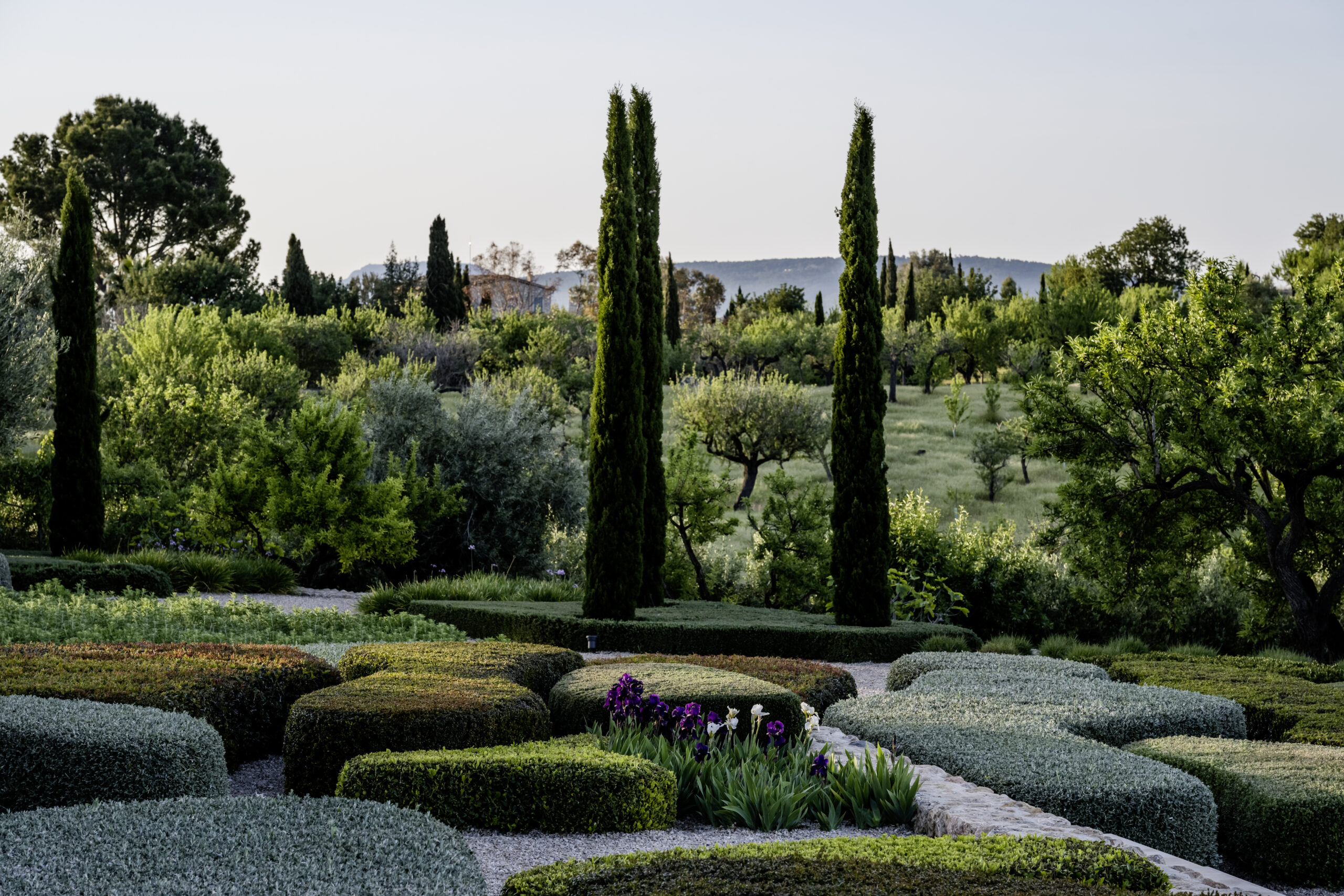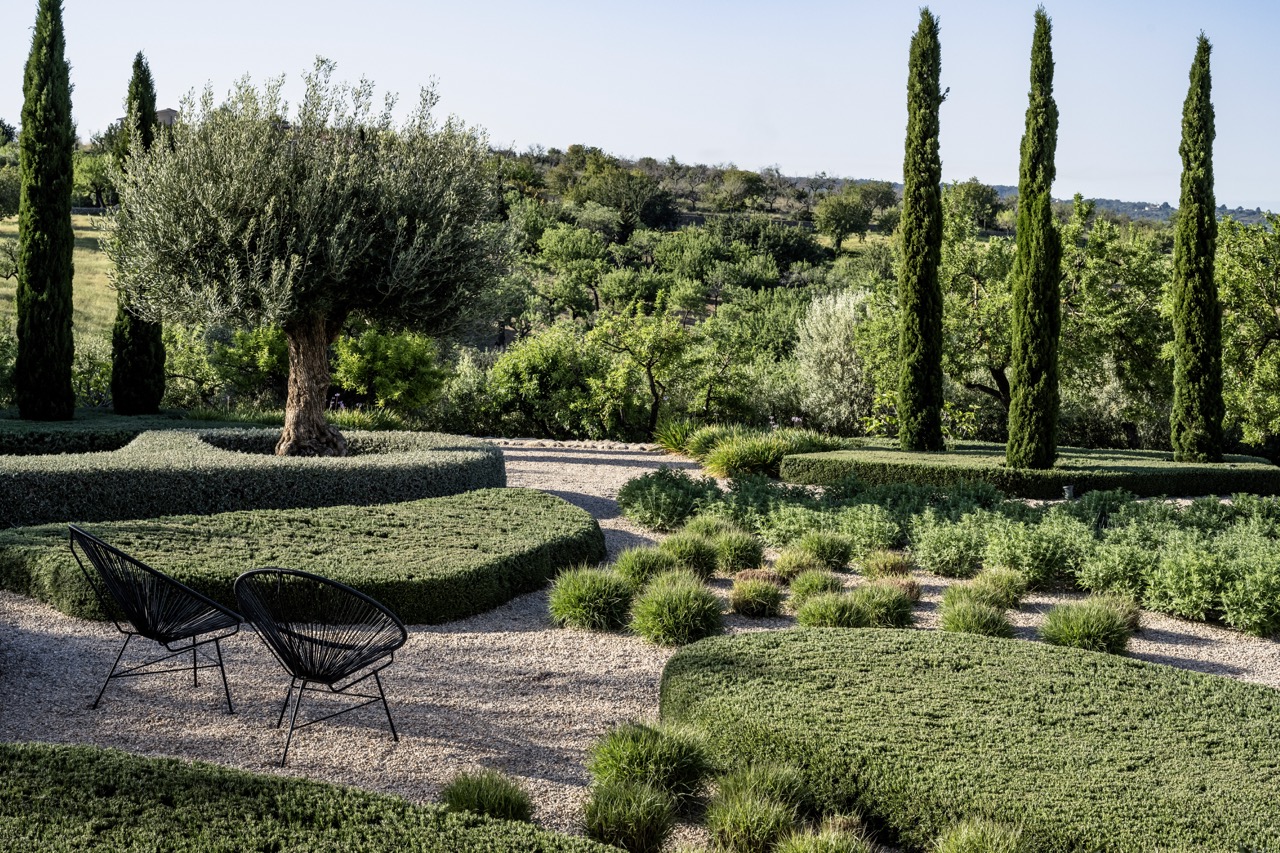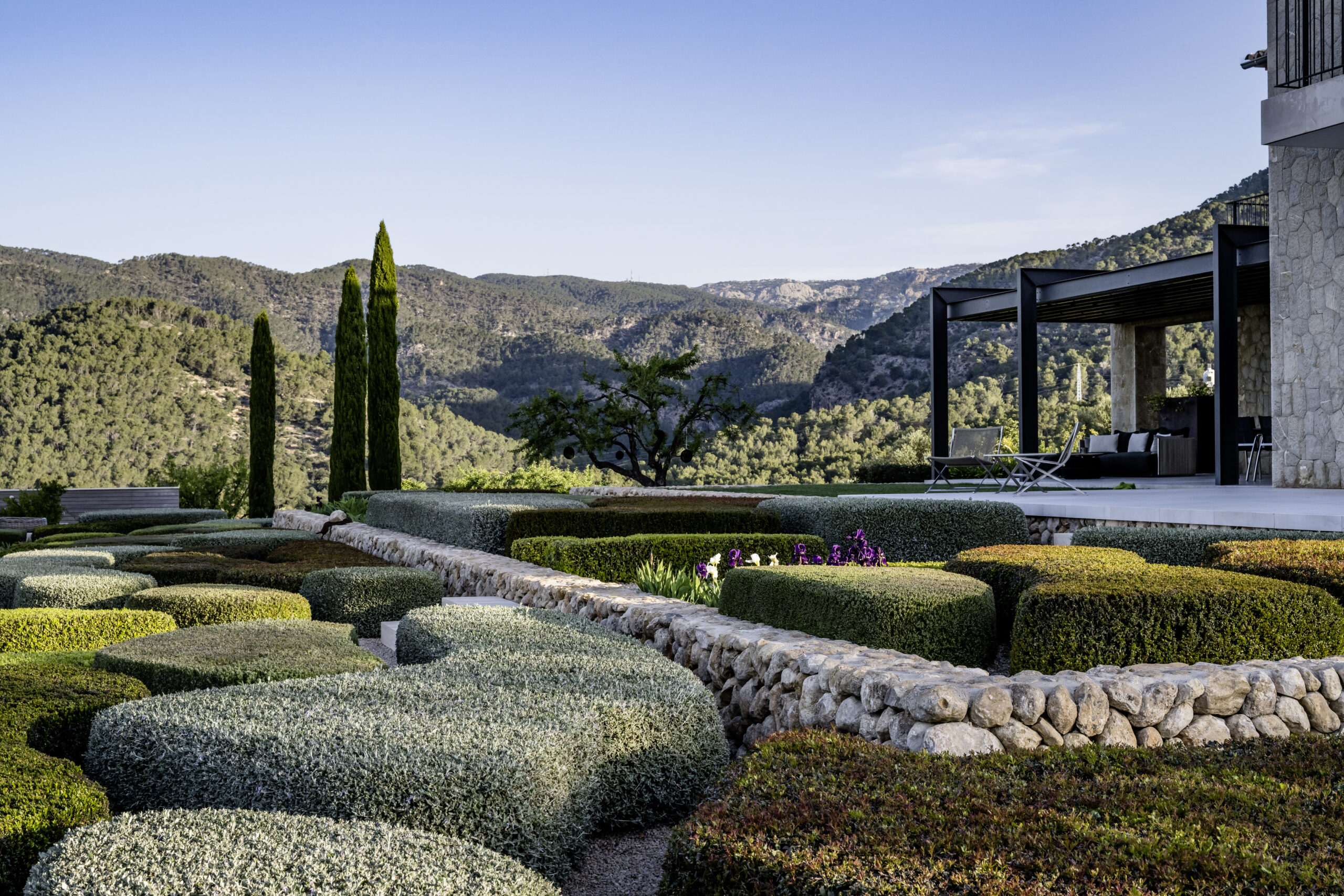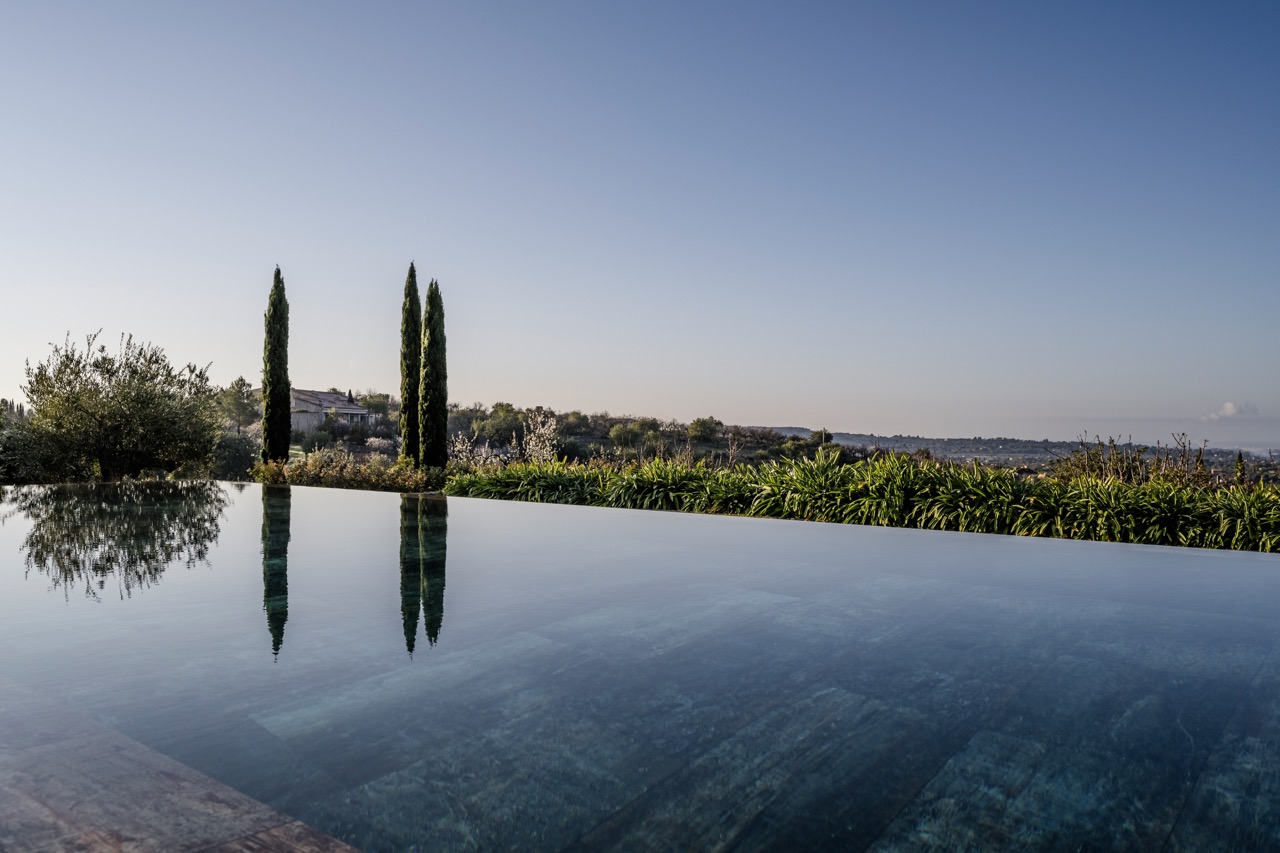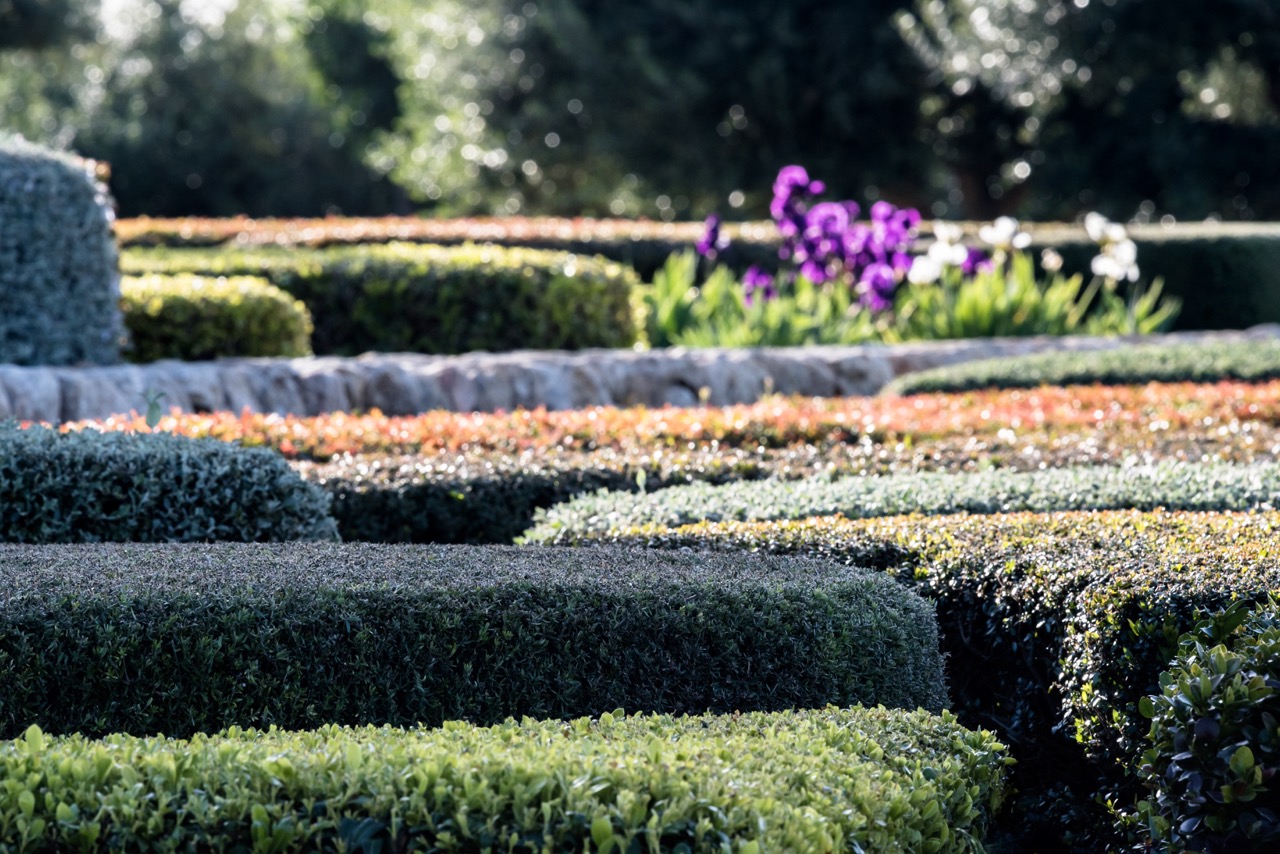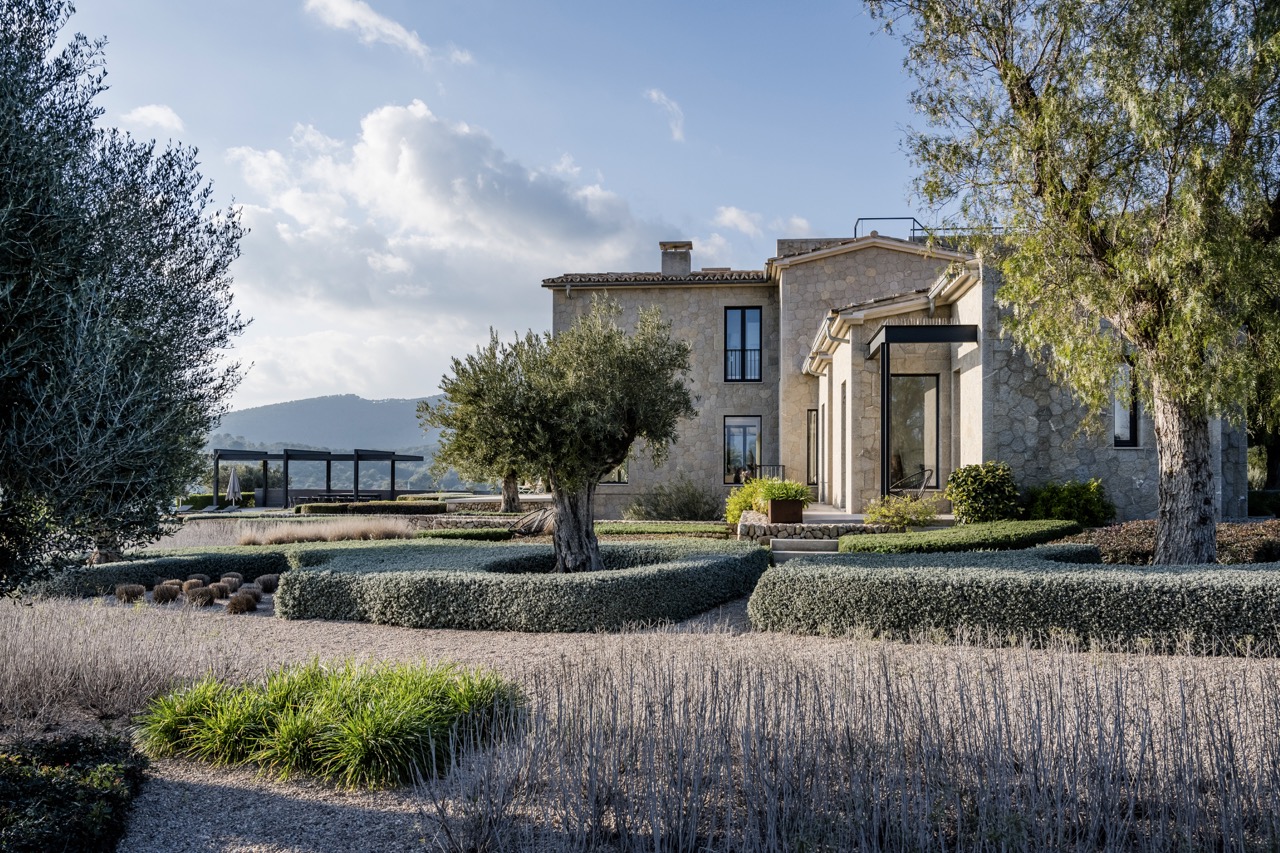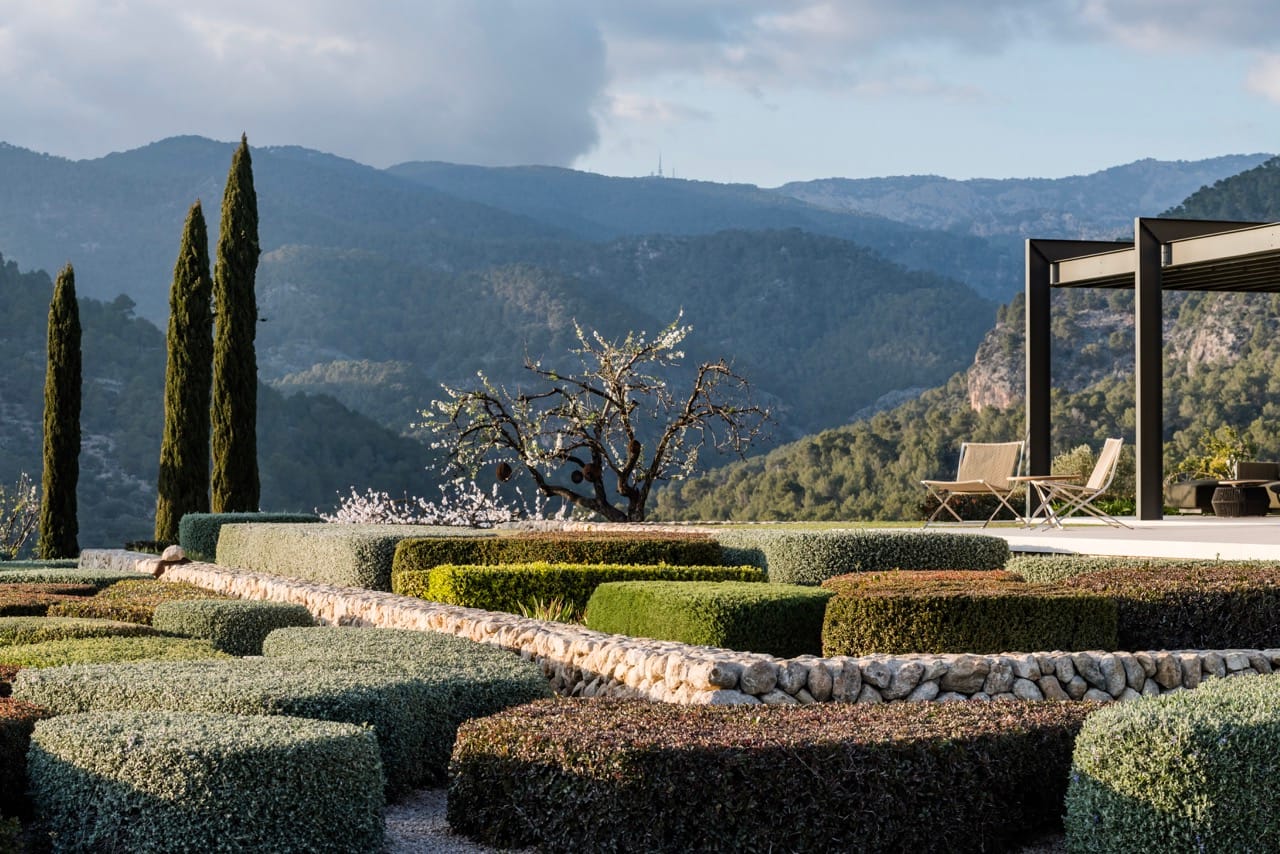

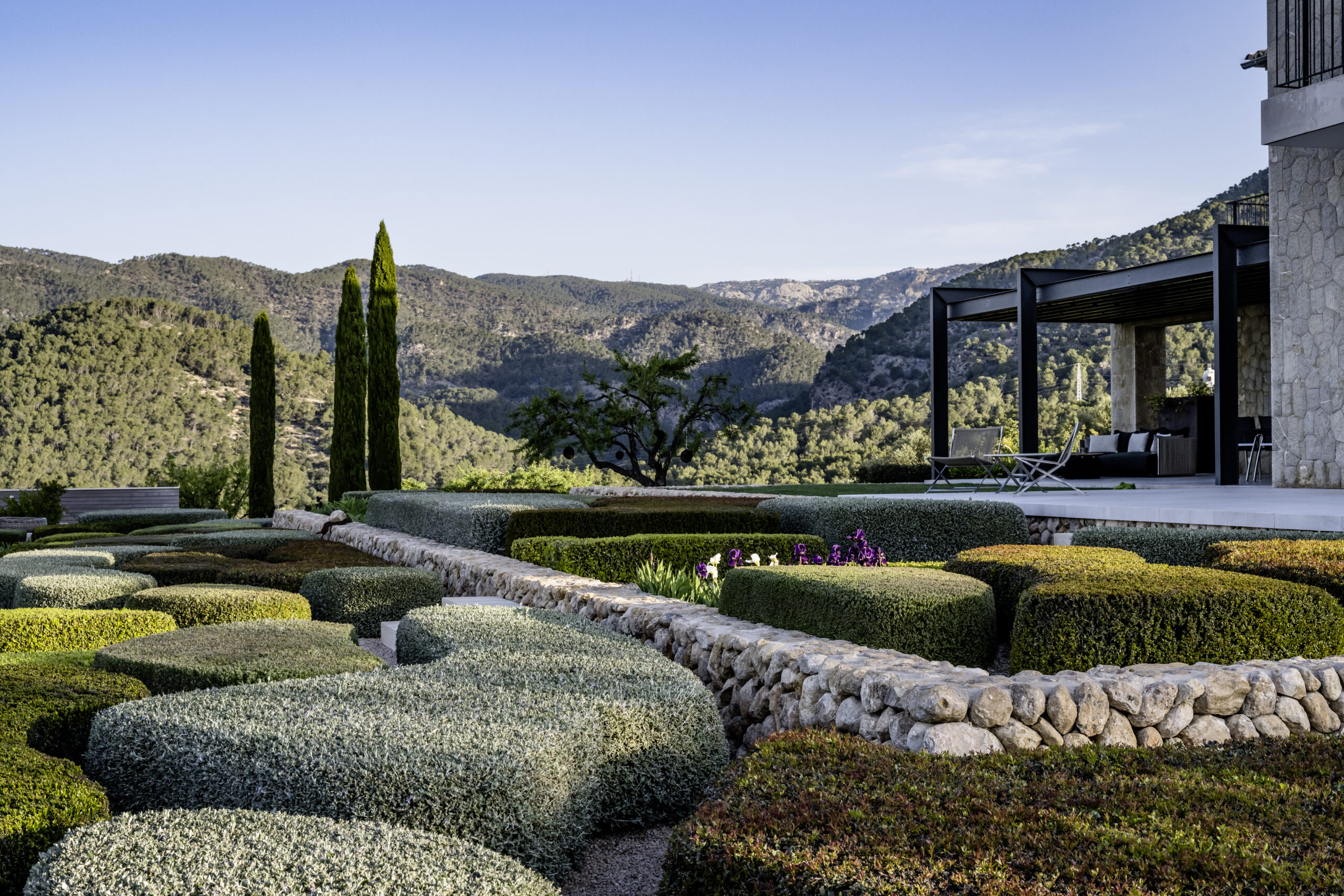
The connection between architecture and landscape is fundamental – it creates a harmonious environment where people can relax and let their soul breathe. Gardens are becoming increasingly important, not merely as decorative additions to a home, but as essential extensions of the living space. They are places of retreat, relaxation, and mindfulness, offering an escape from the fast pace of everyday life. No other space embodies nature and natural beauty more fully, no other place provides greater serenity, and no other environment offers as much visual pleasure as the garden.
The right garden design has the power to transform the entire living experience. It turns the garden into a vibrant space that evolves with the seasons and continuously offers new impressions and experiences. Whether through fragrant flower beds in spring, shaded retreats in summer, or the warm colors of autumn, a thoughtfully designed garden reflects life and nature in all their beauty.
Ultimately, the garden is inseparably connected to the house. Together, they form one harmonious entity – not the house and the garden as separate elements, but the house with the garden as a unified whole. Careful garden planning creates a seamless transition between indoor and outdoor living, enhancing the feeling of openness and spatial flow.
Whether the garden style is Mediterranean, Japanese, natural, practical, or aesthetic, each concept offers unique opportunities to shape a personalized outdoor environment. A Mediterranean garden captivates with warmth and fragrance, a Japanese garden radiates tranquility and Zen, while a natural garden enchants with its untamed beauty and diversity. A practical garden integrates functional elements such as herb beds or terraces, whereas an aesthetic garden impresses with curated plants and artistic design features.
Regardless of style, however, only a harmonious garden design ensures long-lasting fulfillment for its owner. The design must respond to the user’s needs, offering space for relaxation, inspiration, and enjoyment. Elements such as plant selection, materiality, and the interplay of light and shadow play a crucial role. A well-conceived garden will continue to grow and evolve over the years — just like the person who nurtures it.